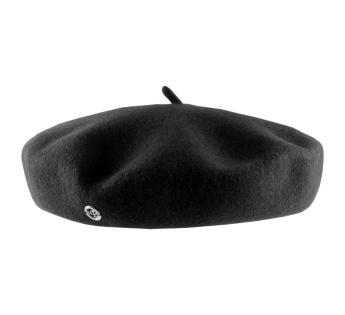
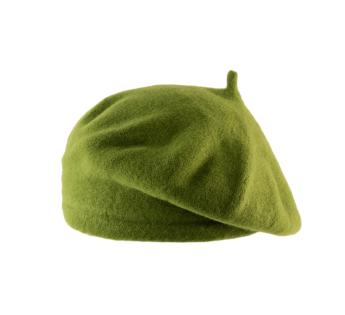
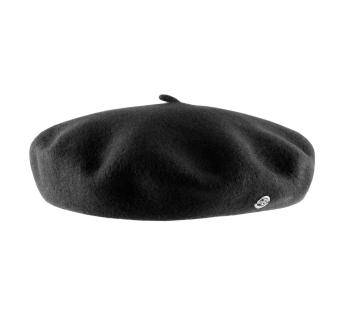
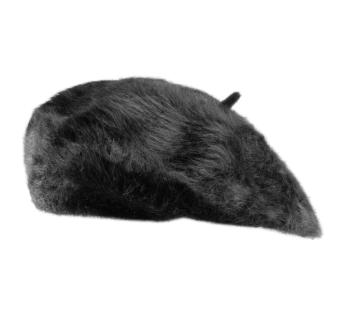
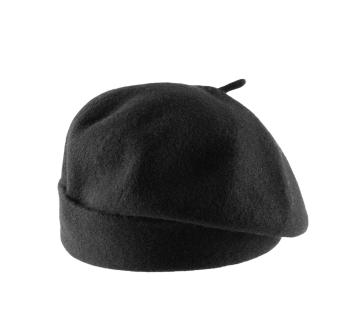
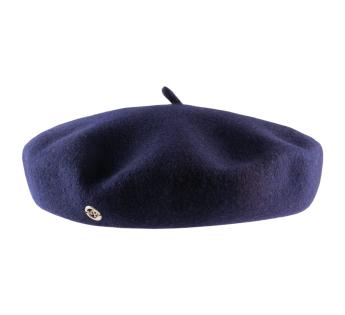
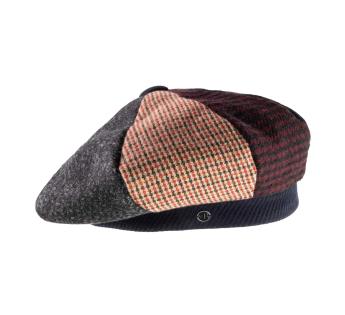
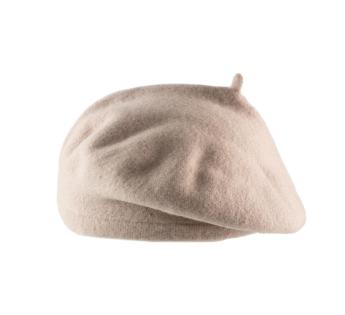
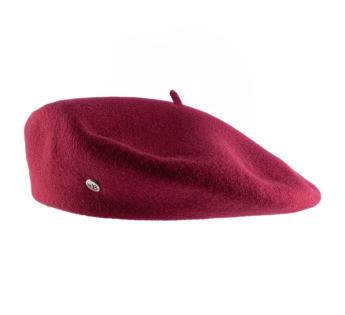
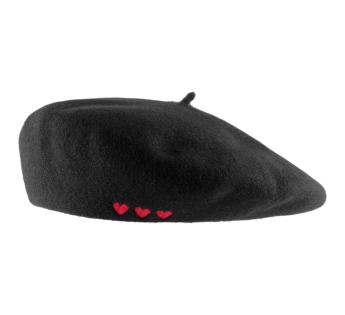
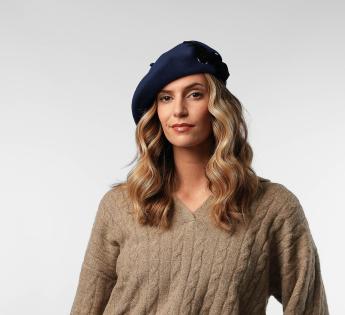
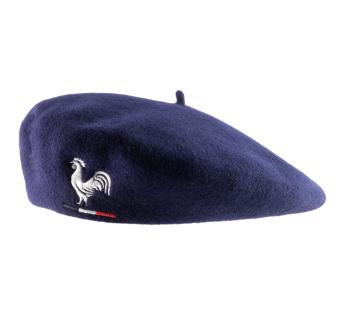
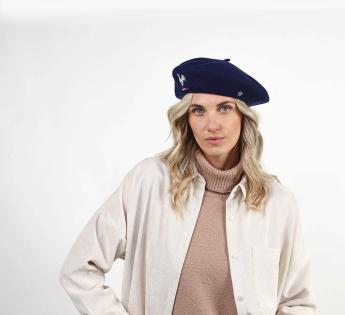
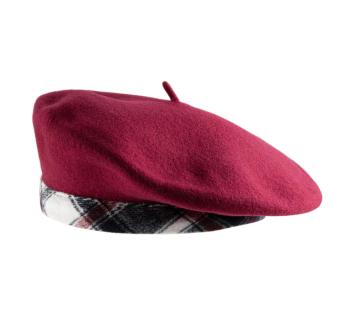
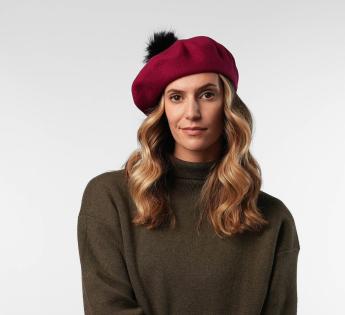
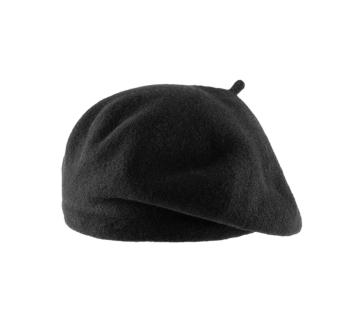
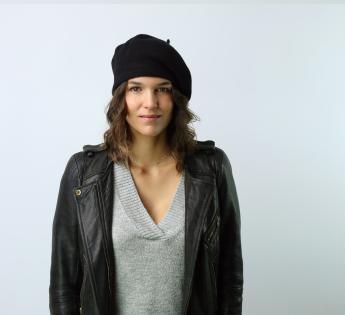
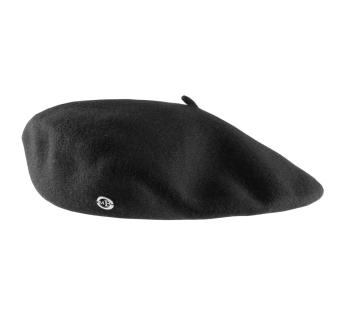
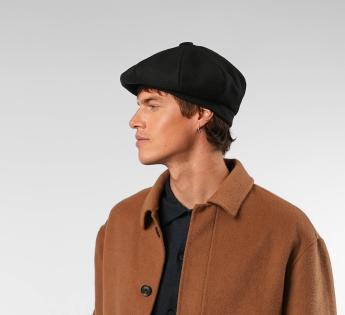
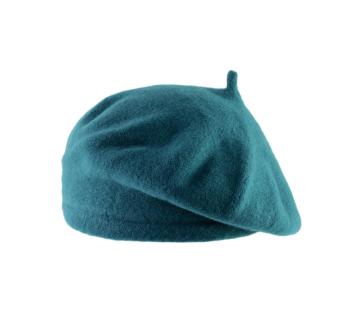
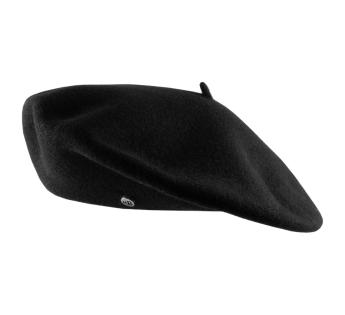
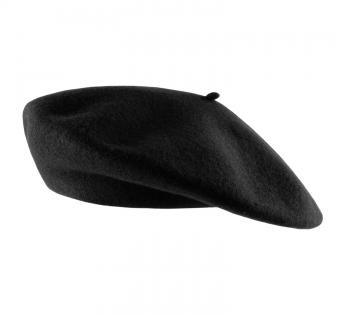
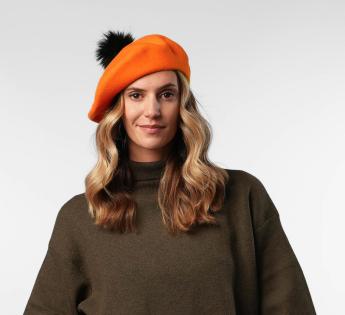
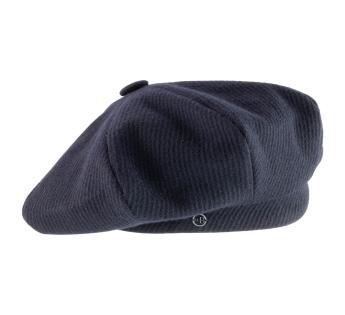
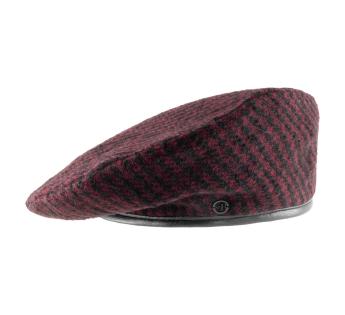
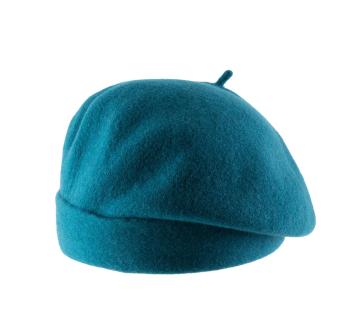
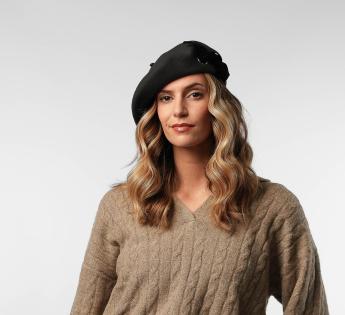
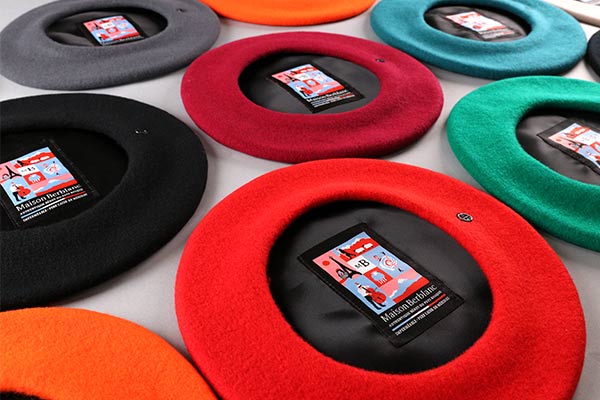
A symbol of timeless French style, the beret combines artisanal heritage with contemporary demands. Selected for their refined appearance and the quality of their materials, these pieces express a discreet elegance, designed to endure and adapt to both seasons and uses.
Spring Summer 2026, the trends
On the agenda: a sensory immersion at the heart of Spring-Summer 2026. Between untamed technicality, architectural purity, and chromatic poetry, these essential horizons now define the contours of contemporary millinery.
Emily in Paris
What if the secret to Parisian chic was simply hidden beneath a perfectly chosen hat?
Living Heritage of French Style
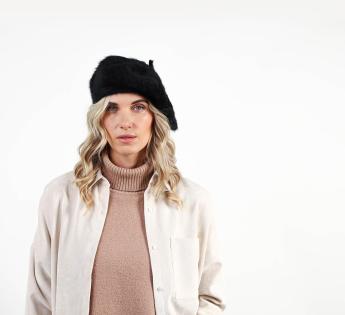
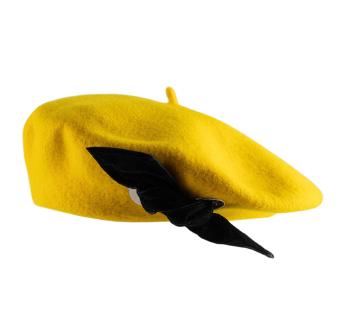
The beret is one of those rare pieces that transcends eras without ever losing its relevance. With a strong regional heritage, shaped by craftsmanship and wool expertise , it has established itself as an iconic headwear in the French wardrobe. Long rooted in local traditions and daily use, it has evolved to become a true stylistic signature, both timeless and contemporary.
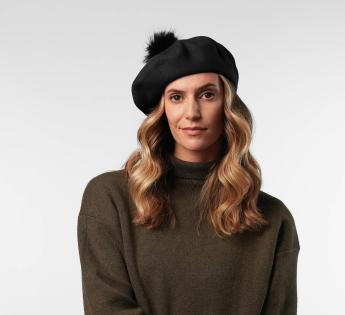
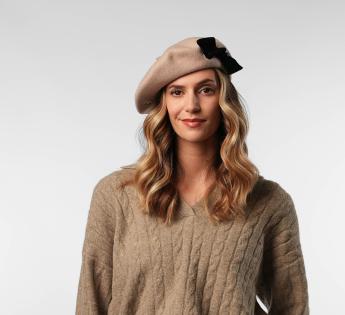
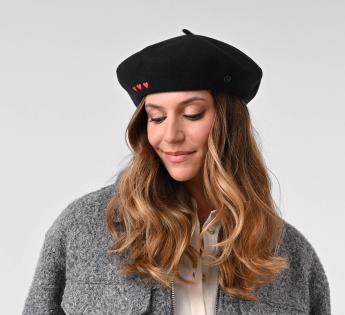
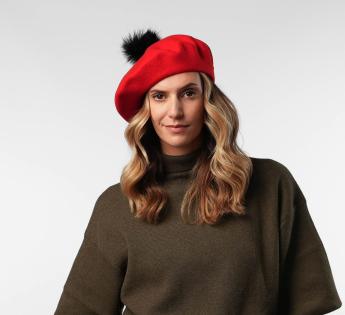
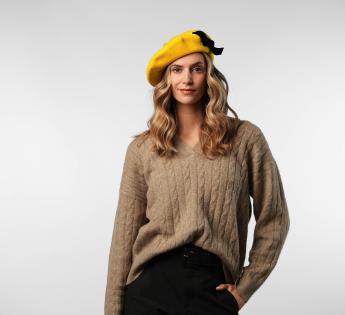
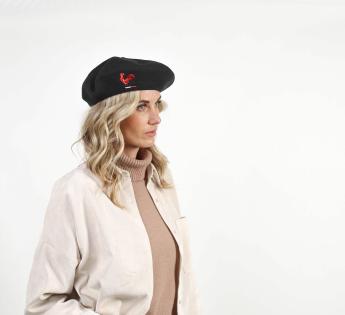
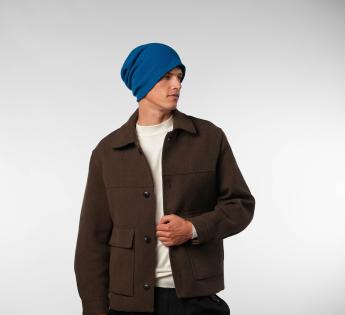
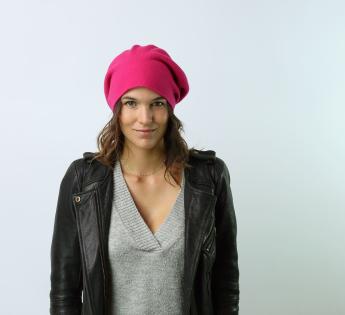
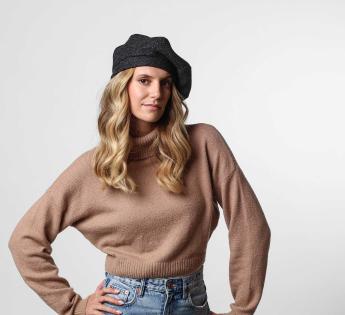
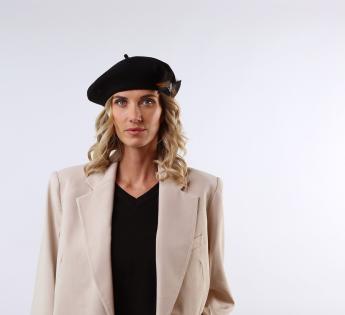
Worn by both a woman and a man , the beret retains its unique ability to naturally complement any silhouette. Its flexible and controlled shape harmonizes with various styles: contemporary urban flair, chic and minimalist wardrobe, or more technical or mountain-inspired looks. In the collective imagination, it also embodies that unmistakable Parisian touch . Popularized on screen in contemporary series like Emily in Paris , the beret has become a visual symbol of Parisian chic , blending elegance, relaxation, and spontaneity. Worn slightly tilted, it defines an effortlessly chic silhouette.
Shapes, Uses, and Materials
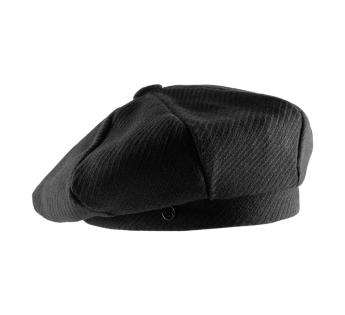
Today, the beret comes in multiple forms, reflecting its history and uses.
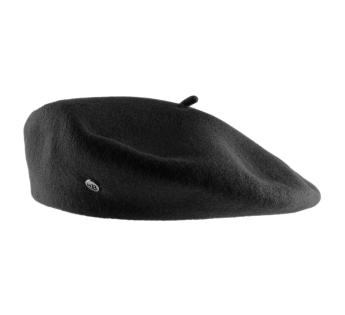
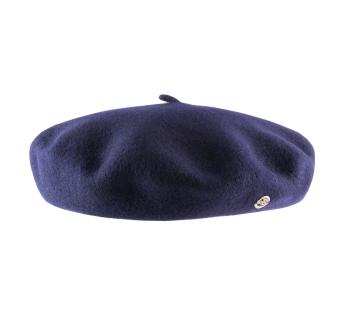
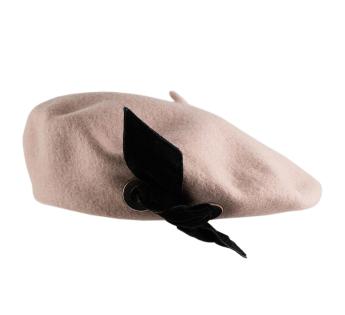
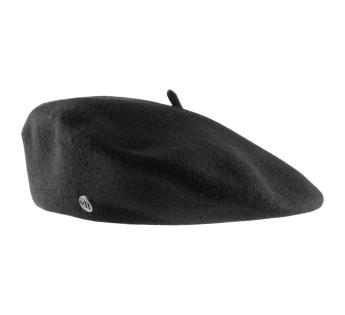
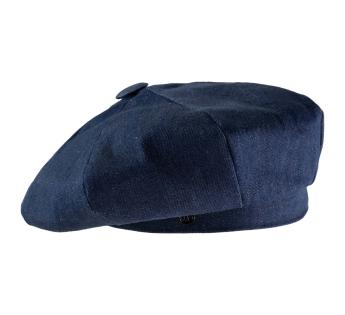
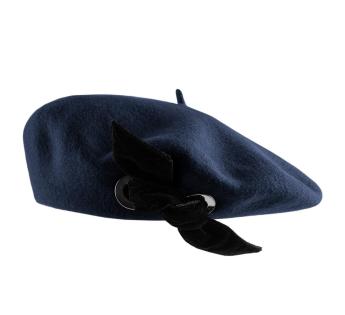
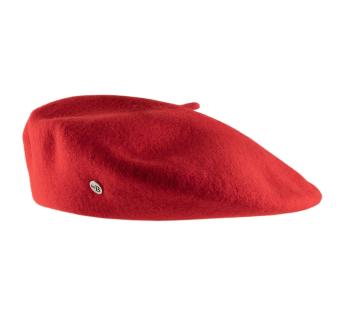
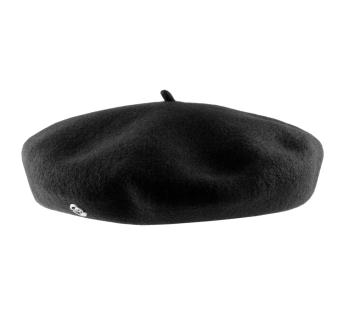
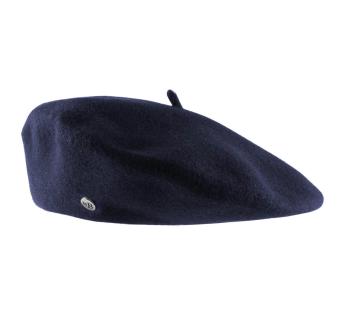
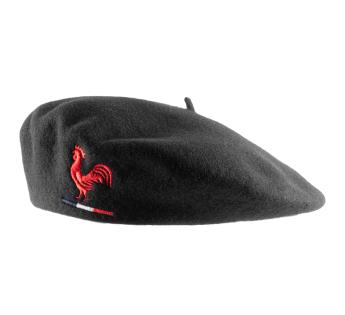
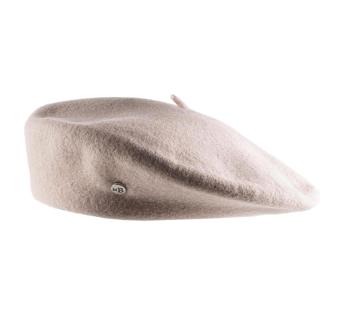
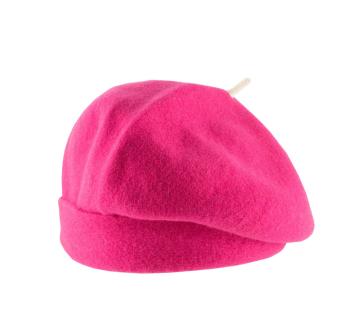
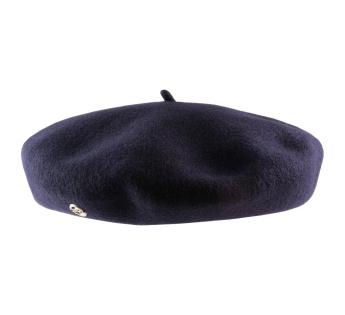
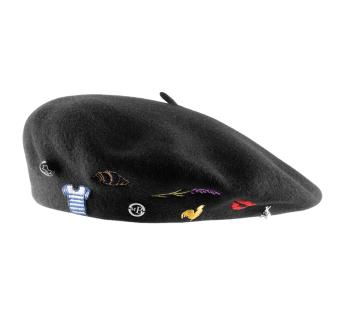
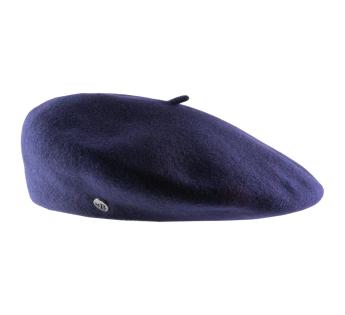
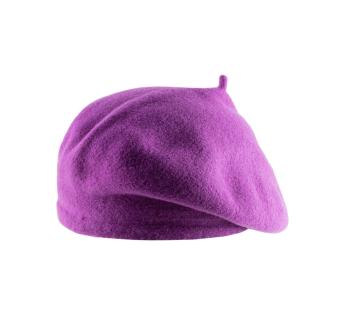
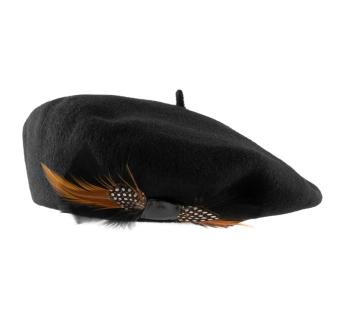
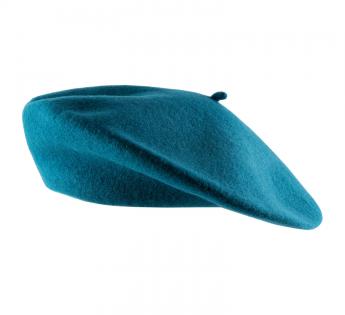
The French beret , perhaps the most iconic, embodies the perfect balance between tradition and elegance. Historically crafted from felted wool, it is distinguished by its full roundness, flexible hold, and ability to protect without weighing down the silhouette.
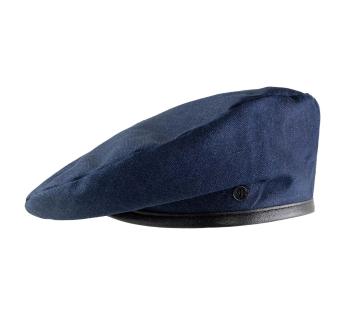
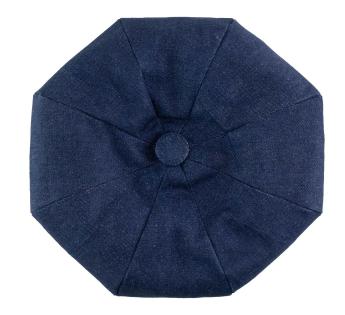
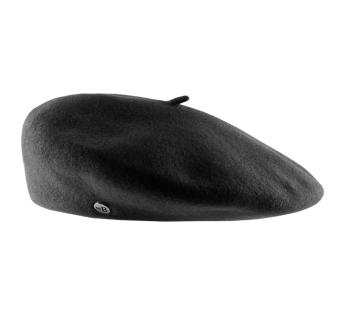
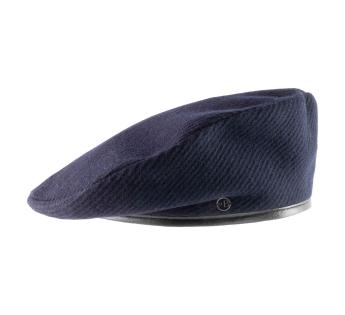
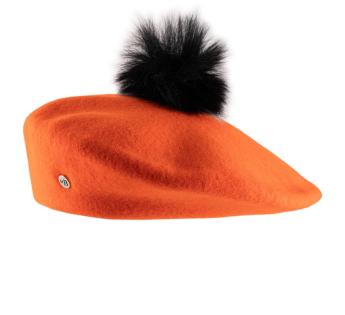
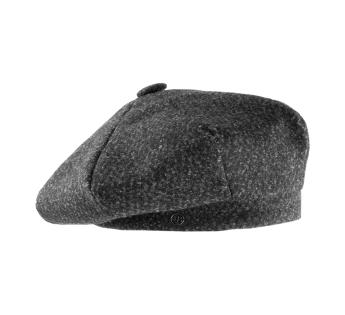
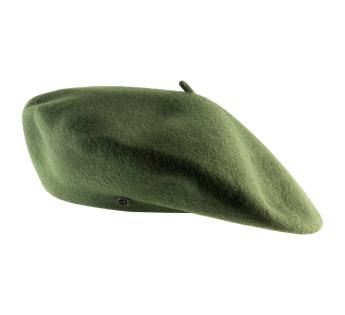
Alongside it, the alpine beret draws its origins from the world of alpine hunters , for whom it was designed as functional headwear, capable of withstanding the cold while offering freedom of movement. Recognizable by its large diameter, it maintains this strong graphic presence. Today, freed from its military context, it stands as a fashion accessory in its own right, structuring the silhouette and bringing a contemporary note where mountain spirit meets urban elegance.
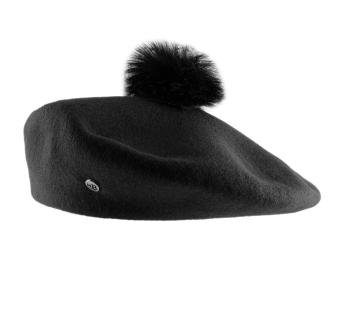
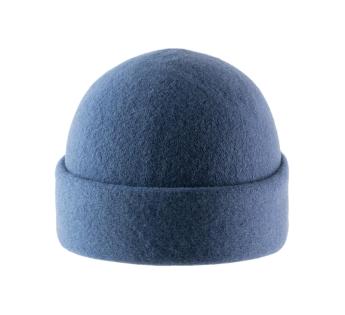
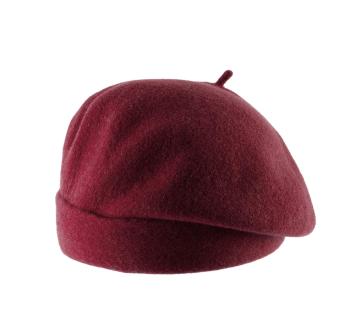
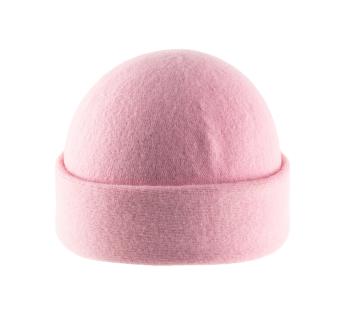
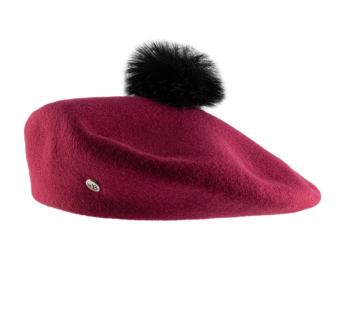
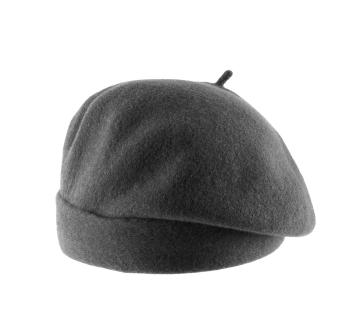
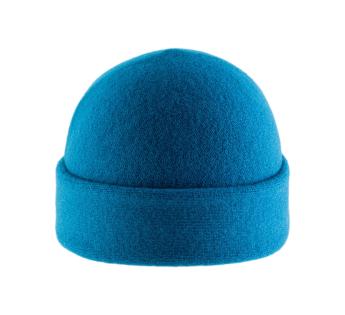
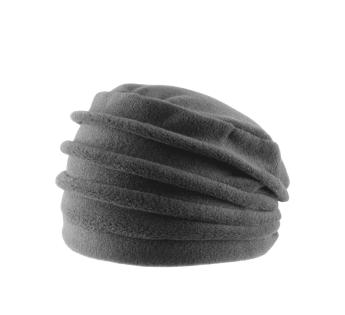
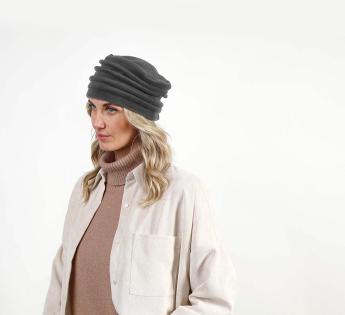
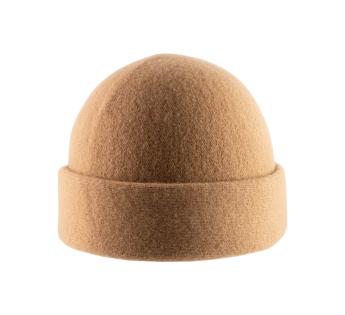
These influences inspire current collections where the beret is also reinvented in the form of a beanie beret , merging traditional aesthetics with the enveloping comfort of a beanie, for enhanced thermal protection without compromising style.
A Bold and Refined Interpretation
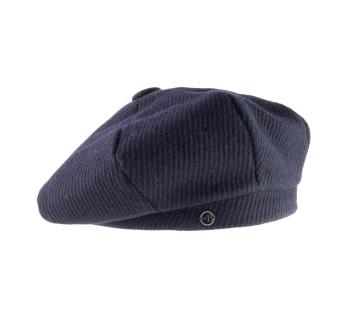
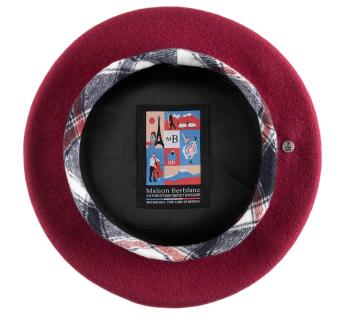
At the heart of this selection stands Maison Berblanc , Bon Clic Bon Genre's own brand, which pays homage to the French beret while asserting a contemporary and demanding vision. Each model is the result of mastered craftsmanship, highlighting merino wool for its finesse, natural warmth, and breathability. Designed to last and adapt to modern uses, Maison Berblanc berets embody a certain idea of discreet luxury, where the quality of materials, the precision of shapes, and the respect for artisanal craftsmanship define today's style.
We use cookies to personalize your experience on the site.cookie policy.
Cookie Settings
When you visit a website, it may store or retrieve information about your browser, mainly in the form of cookies. This information may be about you, your preferences or your device and is primarily used to make the site work as you expect. The information does not usually identify you directly, but can offer you a more personalized web experience. Because we respect your right to privacy, you can choose not to allow certain types of cookies. Click on the different category sections to learn more and modify our default settings. However, blocking certain types of cookies may impact your site experience and the services we are able to offer.
These cookies are necessary for the website to function and cannot be disabled in our systems. They are usually set in response to actions you take that constitute a service request, such as setting your privacy preferences, logging in, or filling out forms. You can configure your browser to block or warn you about these cookies, but some parts of the site will not work. These cookies do not store any personally identifiable information.
These cookies allow us to count visits and traffic sources in order to measure and improve the performance of our site. They help us know which pages are most and least popular and see how visitors move around the site. All information collected by these cookies is aggregated and therefore anonymous. If you do not allow these cookies, we will not know when you have visited our site and will not be able to monitor its performance.